How to follow up on a quote without being pushy.
Most customers who go quiet after a quote haven't said no. Here's a two-week follow-up schedule, five messages you can copy, and what Canada's anti-spam law allows.
You walked the job, wrote the quote and sent it. A week later you've heard nothing. This guide covers when to follow up, what to say, why quotes go quiet and how to keep track. If writing the quote is the slow part, start with quote in an hour, not a week.
How to follow up on a quote sent to a customer
Send four or five short messages over two to three weeks: the day you send the quote, then day 2 or 3, day 7, day 14, and a final note before the quote expires. Each one should be about their job and end with one easy question.
- Same day: confirm the quote arrived and say how to reach you. Ask them to save your number, so later texts don't come from a stranger.
- Day 2 or 3: ask whether they've had a look and if anything needs explaining. Most questions come up here.
- Day 7: add something useful instead of "just checking in". A photo of a similar job, an answer to a common worry, or a date you could start.
- Day 14: ask for a decision, either way. A clear no lets you both move on.
- Final message, a few days before the quote expires: say you're closing the file and how to reopen it. Then stop.
Use the channel the customer used to reach you. Text suits the short check-ins, email suits anything with an attachment, and a phone call fits day 7 on a bigger job. Two to three weeks suits most residential work. If a commercial client gave you a decision date, follow that date instead.
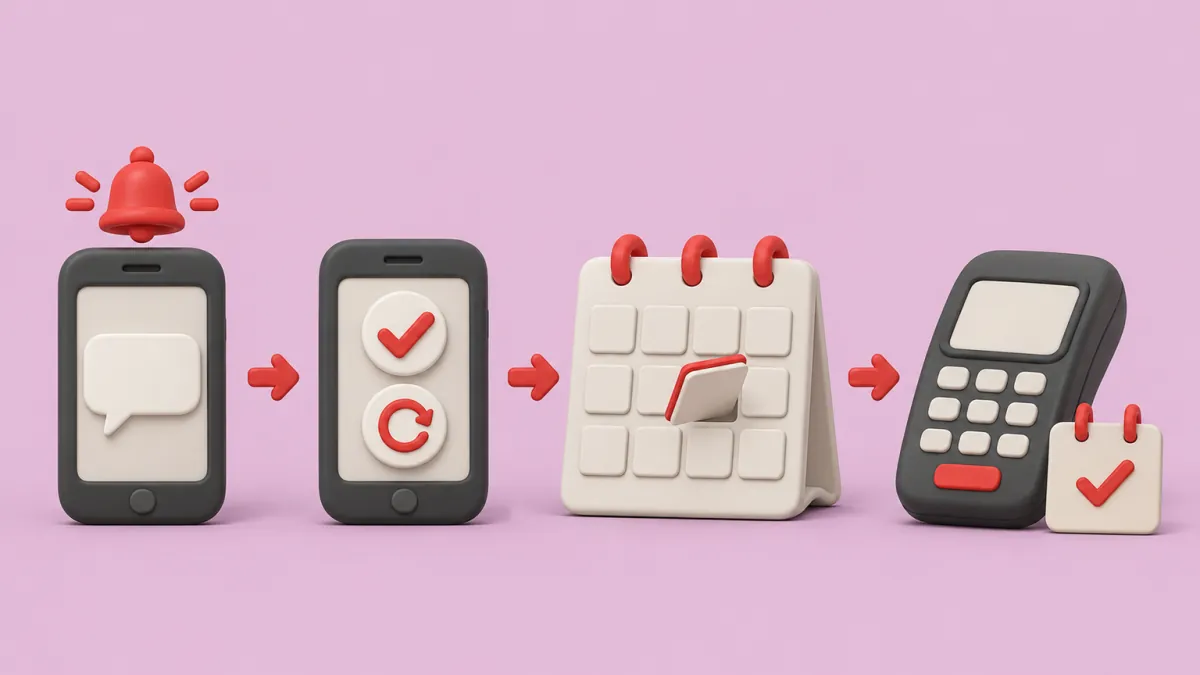
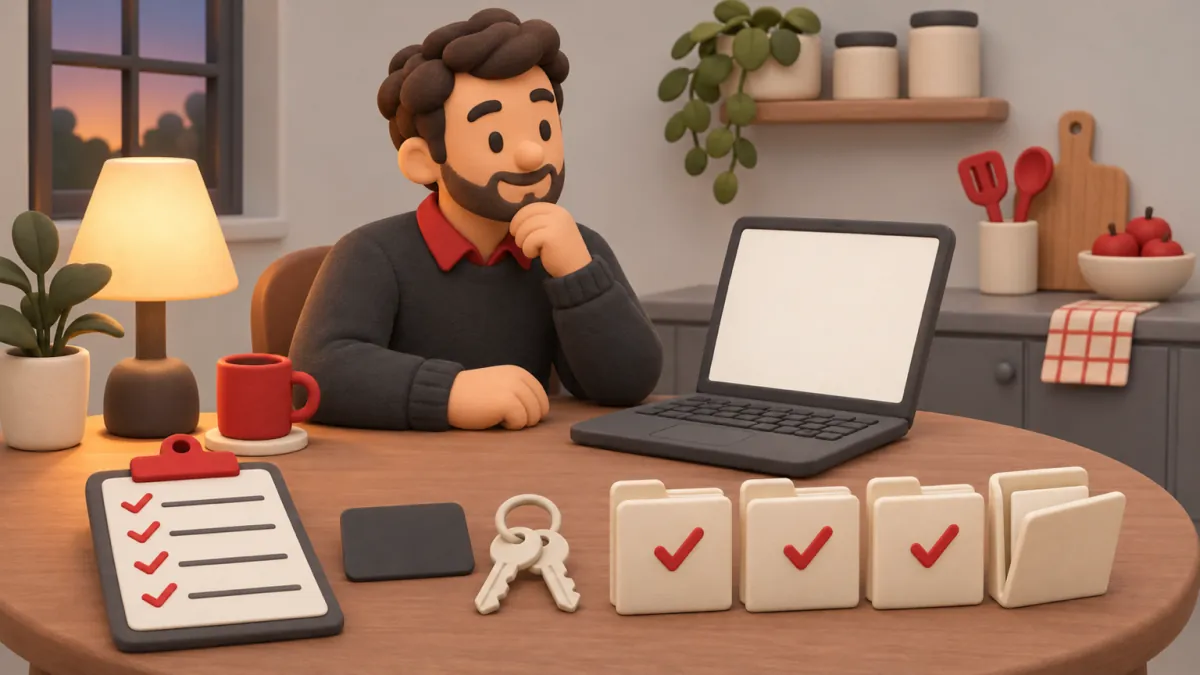
- Follow-up sent
- Customer replies yes
- Job on the calendar
- Deposit paid
Want to see this mapped to your business?
Why do customers ghost you after a quote?
Most customers who go quiet haven't decided against you. They're busy, still comparing, waiting on someone else or unsure what to do next, and silence feels easier than an awkward conversation.

- They're comparing. They asked two or three companies and are waiting for the other quotes.
- The price surprised them. Saying nothing is easier than saying so.
- Someone else has to agree. A partner, a landlord, a condo board or a boss.
- The next step isn't clear. They don't know whether to call, sign or pay a deposit.
- Your quote is buried. It's one PDF in an inbox of hundreds.
- They don't answer unknown numbers. In Hiya's 2026 survey of more than 12,000 consumers in six countries, Canada among them, only 14% said they immediately answer a call from an unknown number.
Each of these has the same fix: a short, friendly message that's easy to answer. And you're busy too. Quotes slip because the follow-up lives in your head, not because you don't care about the job.
Estimate follow-up templates you can copy
A good follow-up names the job, adds one useful thing and ends with an easy question. Swap in your own names and details, and keep texts short enough to read without scrolling.
Same day, by text: "Hi Dana, it's Mike from Northshore Decks. I just emailed the quote for your back deck. Save this number so you know it's me, and text me with any questions."
Day 2 or 3, by text: "Hi Dana, Mike here. Did the deck quote come through OK? Happy to walk you through any line, or price it in composite if you'd like to compare."
Day 7, by email. Subject: "Your deck quote, plus one we just finished". Body: "Hi Dana, here's a deck we finished last month with the same railing you picked. I have an opening in early June if you'd like to hold it. Any questions on the quote? Thanks, Mike"
Day 14, by text: "Hi Dana, just checking where you've landed on the deck. A no or a not-yet is totally fine. A quick reply helps me plan the schedule."
Final, by email. Subject: "Closing out your deck quote". Body: "Hi Dana, your quote is good until May 30, so I'll close the file after that. If plans change, reply here and I'll update the numbers. Thanks for considering us. Mike, Northshore Decks"
Leave out "just checking in" with nothing new, and anything that sounds like guilt. "I haven't heard back" reads like a complaint. If they say no, thank them and ask what tipped it. That one answer will teach you more than another follow-up.
How to make a quote easier to say yes to
A quote gets a faster answer when it offers a choice, says how long the price holds and spells out the next step. Each one makes saying yes easier than putting it off.
- Give two or three options. A basic, a standard and a premium version turn "yes or no" into "which one", and give a customer who's surprised by the price somewhere to land.
- Add an expiry date. "Prices good for 30 days" is honest when material costs move, and it gives your final follow-up a real reason.
- Spell out the next step. "Reply yes, send the deposit by e-Transfer and we'll book your start date" beats "let me know".
- Say what's included and what isn't. A customer comparing three quotes often picks the one they understand.
- Put your name, business and phone number on every page, so a forwarded PDF still leads back to you.
Speed counts too. A quote that arrives while the customer is still thinking about the job is easier to say yes to. Getting quotes out the same day is covered in quote in an hour, not a week.
How to track open quotes
Keep every open quote on one list with the date sent, the amount and the next follow-up date, and check it every morning. A spreadsheet is enough for a handful of quotes a week.
- Customer and job
- Date sent and amount
- Expiry date
- Next follow-up date, and which message is next
- Status: open, won, lost or no reply
- Reason, if you lost it
Sort by next follow-up date and work from the top. Once a month, read the won and lost columns. If most losses say price, your quotes may need options. If most say no reply, the follow-up needs work. Field service apps and CRMs can track this too. Which tool you use matters less than checking it every day.
Is it legal to follow up on a quote by text or email in Canada?
Yes. Under Canada's anti-spam law (CASL), a reply about a quote the customer asked for doesn't need extra consent. Adding them to your newsletter or promotions is different, and that needs consent.
- A message that only gives a quote or estimate the person asked for is exempt from CASL's consent requirement, under section 6(6) of the Act. The regulations also exclude a message sent in response to a request, inquiry or complaint. Keep follow-ups about that quote.
- Once a message promotes something else, like a spring sale or a new service, it's marketing. Their inquiry gives you implied consent for six months, and a purchase gives you two years.
- Every marketing message needs your name, a way to reach you and a working unsubscribe, under section 6(2). Once implied consent runs out, you need express consent, a clear yes to your marketing.
- The stakes are real. The maximum penalty is $10 million per violation for a business.
Following up from the US? The FTC's lighter rules for transactional email cover messages about a transaction the customer has already agreed to. A quote they haven't accepted may not count, so include your business address and an easy way to opt out. This is general information, not legal advice. If you're unsure, ask a lawyer.
If you'd rather not chase quotes by hand
The schedule above works with a spreadsheet and a calendar reminder. The hard part is keeping it up in your busiest weeks, which is exactly when quotes slip, and that part can run on its own.

This is how we'd set it up at Syncafy. It's a playbook, not a report on a client.
- Every quote you send lands on one list with its amount, expiry date and next follow-up.
- Follow-ups go out on your schedule, in your words, by text or email, from your own business number and address.
- Replies come straight to you. If a customer asks a question, AI drafts an answer from the quote and you approve it.
- When a customer says yes, the follow-ups stop and the deposit request goes out. When they say no, it asks why and logs the reason.
- Every Monday you get a short list of quotes won, quotes lost and the ones worth a phone call.
- Messages stay about the quote, and nobody goes on a marketing list without consent.
You own the software and the data. Pricing is in CAD: a $750 roadmap that's credited to the build, a fixed-quote build of $4K to $8K, and $750 to $1.5K a month to run it. See pricing, run your own numbers on the ROI calculator, or read how it works on our quote follow-up page. You may not need to hire someone just to chase quotes. You still price the job and close it.
Start small
Open your sent folder and list every quote from the last 60 days that never got an answer. Send each one the day 14 message today. Then start the tracking list above, and give every new quote a follow-up date before you hit send.
Questions people ask
How long should you wait to follow up on a quote?
Send a short note the same day to confirm the quote arrived, then follow up two or three days later. That gives the customer time to read it without letting the job go cold.
How many times should you follow up on an estimate?
Four or five times over two to three weeks is reasonable for most jobs. After a final message that says you're closing the file, stop and move the quote to lost or no reply.
Is it rude to follow up on a quote?
No. Most customers expect it, and many go quiet because they're busy or comparing, not because they've said no. Keep each message short, polite and about their job.
Should you follow up on a quote by text or email?
Use the channel the customer used to reach you. Texts work well for quick check-ins, and email works better for anything with an attachment or a detailed answer.
What should you say when a customer ghosts you after a quote?
Ask for a decision either way and make it easy to say no. If they decline, thank them and ask what tipped it, because that answer helps you win the next quote.
Quotes going quiet?
Bring your list of open quotes to a free 30-minute call. We'll map a follow-up schedule you can run by hand or have running for you.